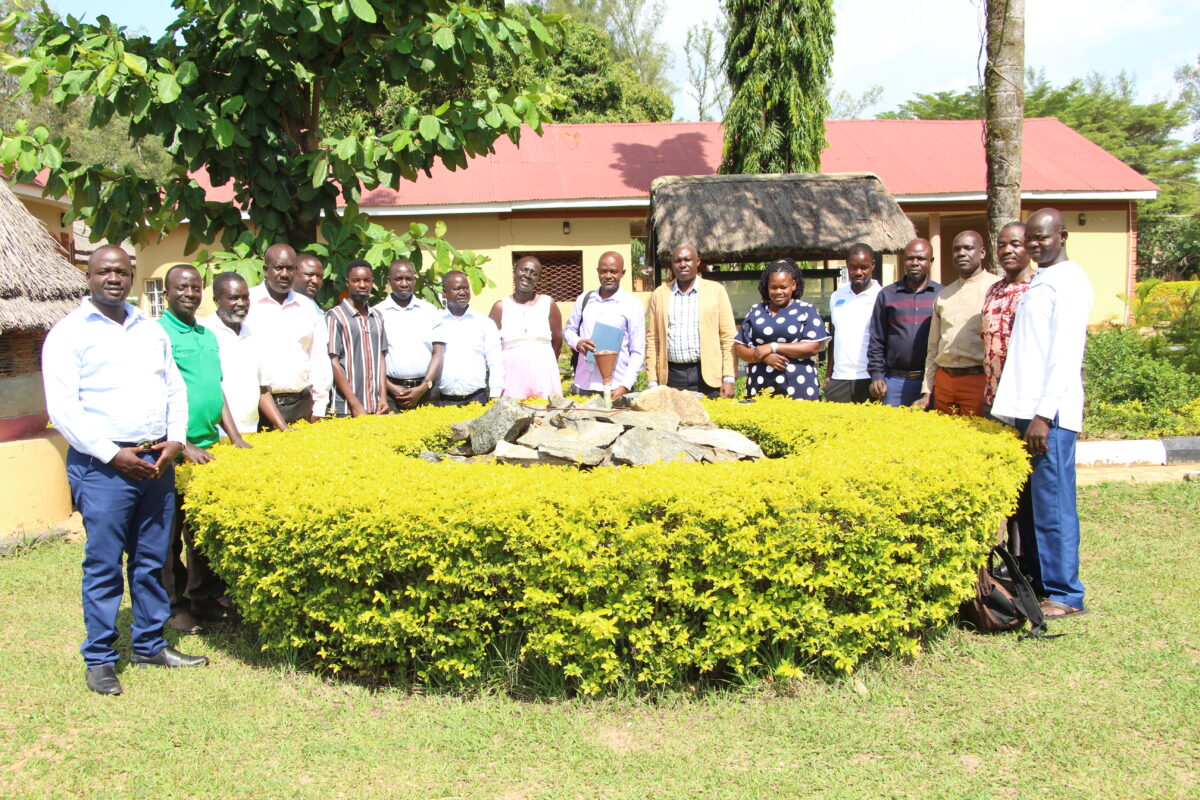
The Iteso Cultural Union (ICU) a core Member of Ateker Development Foundation (ADEFO) platform has pledged full support to the implementation of the Ateker Development Foundation Multi-Actor Partnership Phase 2 (ADEFO–MAP2) project, indicating a deepening alliance between cultural leadership and development actors to transform livelihoods across the Teso sub-region, and the wider Ateker region.
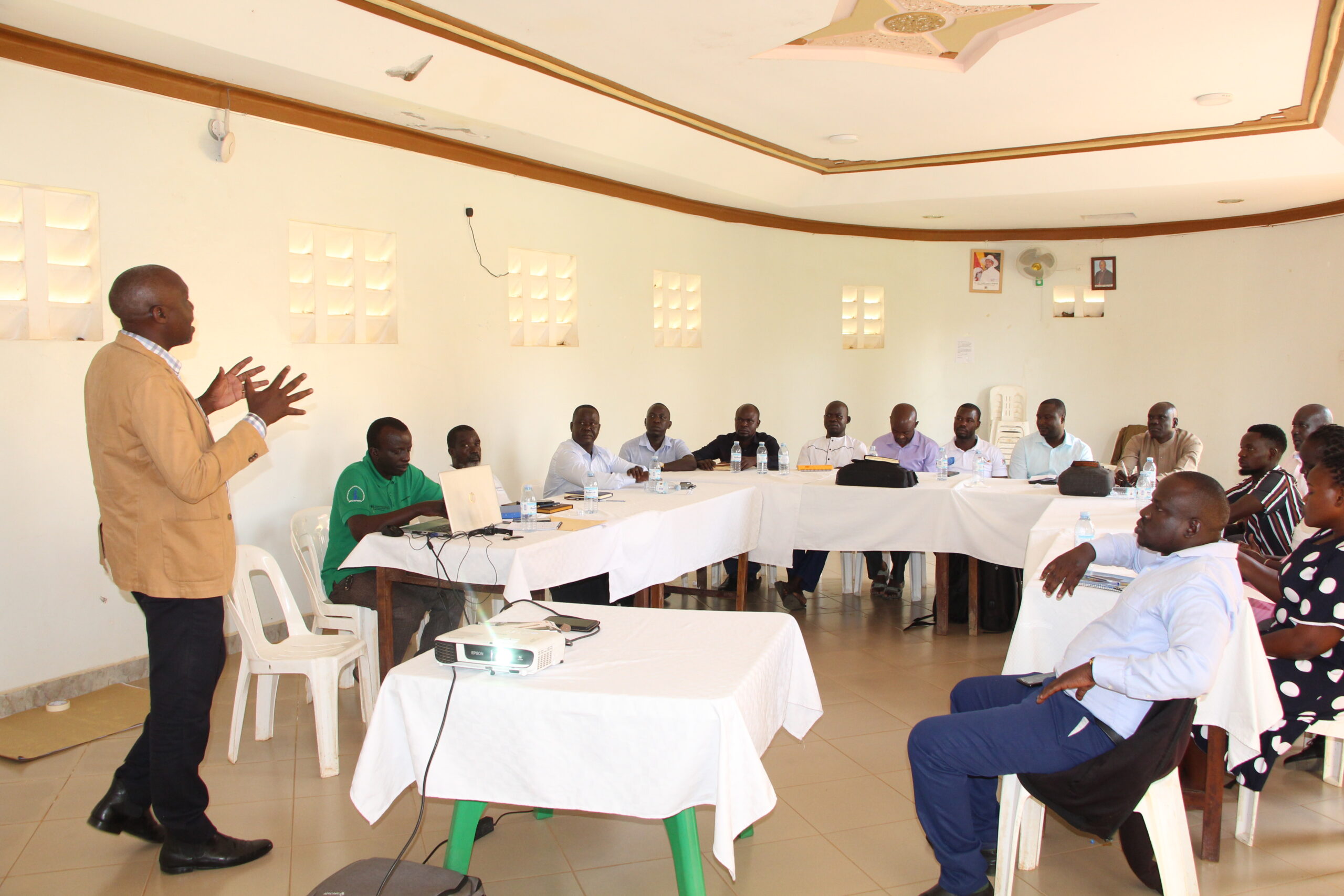
The commitment was announced on Friday, February 27th, 2026, during a Core Group meeting of the ADEFO held at Eneku Training Village in Madera ward, Soroti city. The meeting brought together representatives from civil society, local government, faith-based institutions and the cultural union to shape the administrative and operational frameworks of the ADEFO platform.
Speaking on behalf of ICU, The Prime Minister, Rt. Hon. Ocole Andrew said that the cultural institution recognizes the strategic importance of the partnership in strengthening agribusiness and improving the welfare of the Iteso people. “As ICU, we will support all efforts being put forward by ADEFO–MAP team to improve the livelihoods of the Iteso,” Ocole said. “Agriculture remains the backbone of our people, and any intervention that strengthens farmers deserves our full backing.”
Ocole further revealed that he would engage His Royal Highness, Paul Sande Emolot, the cultural leader of the Iteso, to ensure that one representative from ADEFO platform is incorporated into the newly formed Council of Clans across the Ateker-speaking communities.
According to Ocole, the idea of forming a regional council was agreed upon during an ICU engagement held in December 2025 in Lodwar, Kenya. The council, he explained, is intended to serve as a unifying platform to promote cross-border cooperation and market access for farmers within East Africa and the IGAD member states. “This council will be like a parliament of the Ateker speaking people,” he said. “The Uganda chapter alone will send 20 delegates. Having ADEFO–MAP represented will help us articulate both the challenges and opportunities within agribusiness.”
He noted that structured representation would strengthen advocacy for farmers, especially in areas of value addition, marketing and policy engagement across borders.
The Chairperson of ADEFO, Michael Odeke, described the Friday meeting as a critical step toward institutionalizing the ADEFO platform under Phase 2. “We are here to gather ideas on shaping the administrative and process structure of the ADEFO platform,” Odeke said. “We’re also crafting strategies to boost women’s participation, form thematic working groups, and strengthen inclusive value chains for sustainable impact.”
Odeke emphasized that agribusiness in Teso must move beyond subsistence thinking and embrace a more market-oriented approach. “Agribusiness in Teso is slowing itself. We need to quicken the process because people need money,” he said. “This is the time for us to strike a tone with our people and say, can we do something deliberate so that money flows into households and saves our situation?”
He argued that the region’s economic challenges can only be addressed through coordinated efforts that link production to structured markets and value addition.
Daniel Akudo, Programs Manager at Soroti Catholic Diocese Integrated Development Organization (SOCADIDO), the local implementing partner, said Phase 2 of the project is designed to correct the structural gaps identified during Phase 1. “In Phase 2, we are becoming more intentional about aligning our work to technical areas,” Akudo said. “Previously, we used to meet and discuss virtually everything, and reporting was not always very clear. This time, we are organizing ourselves around thematic areas.”
He explained that the introduction of structured thematic working groups would improve coordination around value chain development and ensure clearer accountability mechanisms. “These groups will have annual-based targets and will be required to report back to the core working group within specific timelines,” Akudo said. “We are moving away from business as usual and toward measurable results.”
Local government officials also welcomed the strengthened collaboration that the platform is implementing. Moses Okello Echeku, the Soroti District Agricultural Officer, expressed gratitude for the district’s inclusion in the platform. “As a district, we are grateful to be part of this ADEFO platform,” Echeku said. “You are complementing what we are doing, and we welcome you, and we pledge our support to really work with you.” He also added his voice on supporting farmers. “Our goal is to ensure that farmers truly benefit and that money flows into the farming communities,” he said.
Under ADEFO–MAP2 project, the partnership aims to expand the ADEFO platform into a locally anchored, institutionalised multi-stakeholder partnership (MAP) that, as a strategic network, effectively promotes cooperation, coordination and joint knowledge building along the agricultural value chain, increases the agricultural productivity of smallholder farmers and improve their market access (sales opportunities).
The stakeholders who were present at the Eneku meeting agreed that women and youth inclusion will remain central to the project’s design, given their critical role in agriculture and rural enterprise.
I love the collaboration with the Cultural Institution